- A slab leak is a leak in a water line that runs under your concrete foundation.
- Warm floors, a moving water meter and a sudden high water bill are the top warning signs.
- Expansive soil, hard water and pipe wear against concrete all raise slab leak risk here.
- Plumbers fix slab leaks with a spot repair, a reroute or a repipe.
Slab leaks in Apache Junction homes are more common than most owners expect. A slab leak happens when a water line under your concrete foundation starts to leak. Because the water soaks into the soil instead of dripping from a ceiling, it can run for weeks before anyone notices. Knowing the signs early saves water, money and stress.
Most houses in Apache Junction are built slab on grade, with copper or plastic water lines running beneath the floor. That design works well for decades. But local soil, water and heat put steady stress on those pipes, and eventually some of them fail.
What Causes Slab Leaks in Apache Junction?
Several local conditions work together to wear out pipes under a slab.
- Expansive soil. Clay soils in the Valley swell when wet and shrink when dry. Monsoon rains and long dry spells make the ground under your home move slightly, which stresses pipes.
- Hard water. Minerals and high velocity flow wear the inside of copper pipe over time, which can lead to pinhole leaks.
- Abrasion. Pipes expand and contract with hot water use. Where a pipe rubs against concrete or gravel, it slowly wears thin.
- Age and installation. Older lines, kinked pipe and poor original installation all raise the risk.
7 Warning Signs of a Slab Leak
Slab leaks hide well, but they leave clues. Watch for these signs.
- A water bill that jumps with no change in how you use water.
- A warm spot on the floor, often a sign of a hot water line leak.
- The sound of running water when every fixture is off.
- Damp carpet or wet grout with no visible source.
- Cracked tile or new floor cracks above where lines run.
- Low water pressure throughout the house.
- A water heater that runs constantly, because it keeps refilling with cold water.
How to Do the Water Meter Test
This simple test tells you if water is escaping somewhere in your plumbing.
- Turn off every faucet, appliance and irrigation system.
- Find your water meter, usually in a box near the street.
- Write down the reading or note the position of the leak indicator dial.
- Wait 30 to 60 minutes without using any water.
- Check the meter again. If it moved, you have a leak.
A moving meter does not prove the leak is under the slab. It could be a toilet, an outdoor line or an irrigation valve. A plumber can narrow it down quickly.
Hot Line vs Cold Line Slab Leaks
A slab leak can happen on either the hot or the cold side of your plumbing. Hot water leaks tend to show up sooner, because they warm the floor above them and keep your water heater running. Cold water leaks are harder to spot. They often show up only as a higher bill or damp flooring near a wall.
Hot side leaks also cost more to ignore. You pay for the lost water and the energy to heat it. If your water heater seems to run all the time, mention it when you call.
How Plumbers Find a Slab Leak
Professional slab leak detection finds the exact spot before anyone opens the floor. The process usually includes three steps.
- Pressure testing isolates the hot and cold systems to confirm which side is leaking.
- Acoustic listening equipment picks up the sound of water escaping through concrete.
- Thermal imaging shows warm patches from hot water leaks under flooring.
Accurate detection means a smaller opening in your floor and a lower repair bill.
Slab Leak Repair Options Compared
| Repair option | How it works | Best for |
|---|---|---|
| Spot repair | Open the slab at the leak and replace the damaged section | One leak in otherwise sound pipe |
| Reroute | Run a new line through walls or the attic and abandon the old pipe | Older pipe or hard to reach leaks |
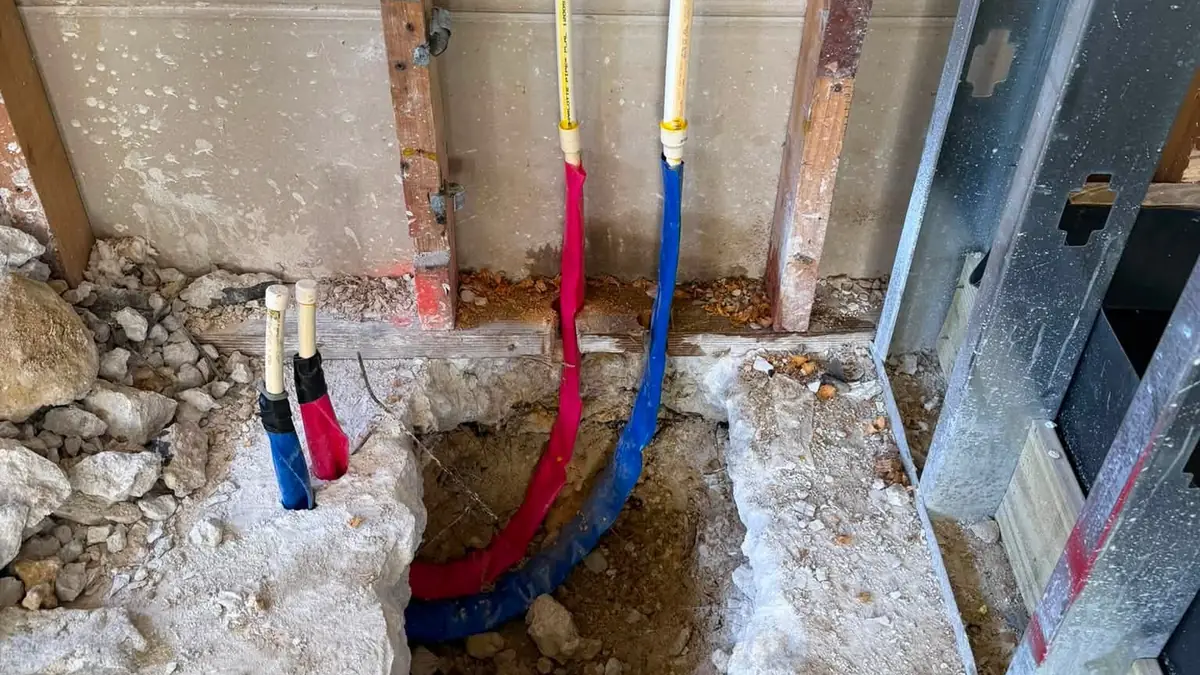
| Repipe | Replace the home's supply lines with new PEX or copper | Homes with repeat leaks |
In Phoenix area cost data from Angi, repairs to pipes inside a slab or wall often fall between $1,000 and $4,000. Your plumber will explain the trade offs and price of each option.
What Happens If You Ignore a Slab Leak?
A slab leak does not fix itself. Over time, the water can wash out soil under the foundation, damage flooring, raise humidity and lead to mold. Your water bill keeps climbing the whole time. Early repair is almost always the cheaper path.
What to Do Right Now If You Suspect a Slab Leak
- Run the meter test to confirm water is escaping.
- Find your main shut off valve so you can close it if water appears.
- Move rugs and furniture away from warm or damp spots.
- Take photos of any damage for your insurance company.
- Schedule leak detection before the damage spreads.
Protect Your Apache Junction Home
Run the meter test a few times a year, watch your water bill and act fast on warm spots or damp floors. If your home has had more than one slab leak, ask about repiping. When you need help, call the best plumber in Apache Junction for fast detection and a clear repair plan.
Frequently Asked Questions
How common are slab leaks in Apache Junction?
Slab leaks are a regular repair across the East Valley because most homes are built on concrete slabs. Local soil movement and hard water add to the risk.
Can a slab leak fix itself?
No. A slab leak keeps running until the pipe is repaired or rerouted. Waiting usually leads to higher water bills and more damage.
Does homeowners insurance cover slab leaks?
Coverage depends on your policy. Many policies cover resulting water damage and access costs but not the pipe itself, so check with your insurer.
How long does slab leak repair take?
Many spot repairs and reroutes are finished in one or two days. A full repipe takes longer, depending on the size of the home.