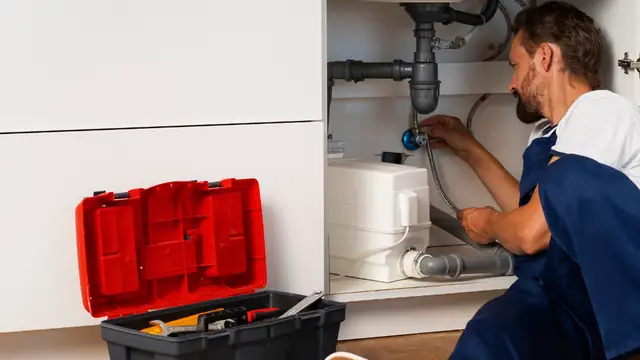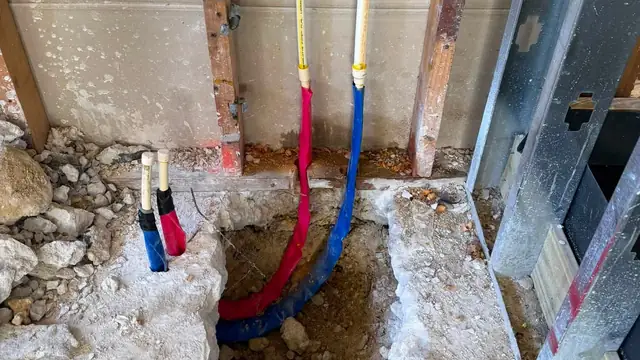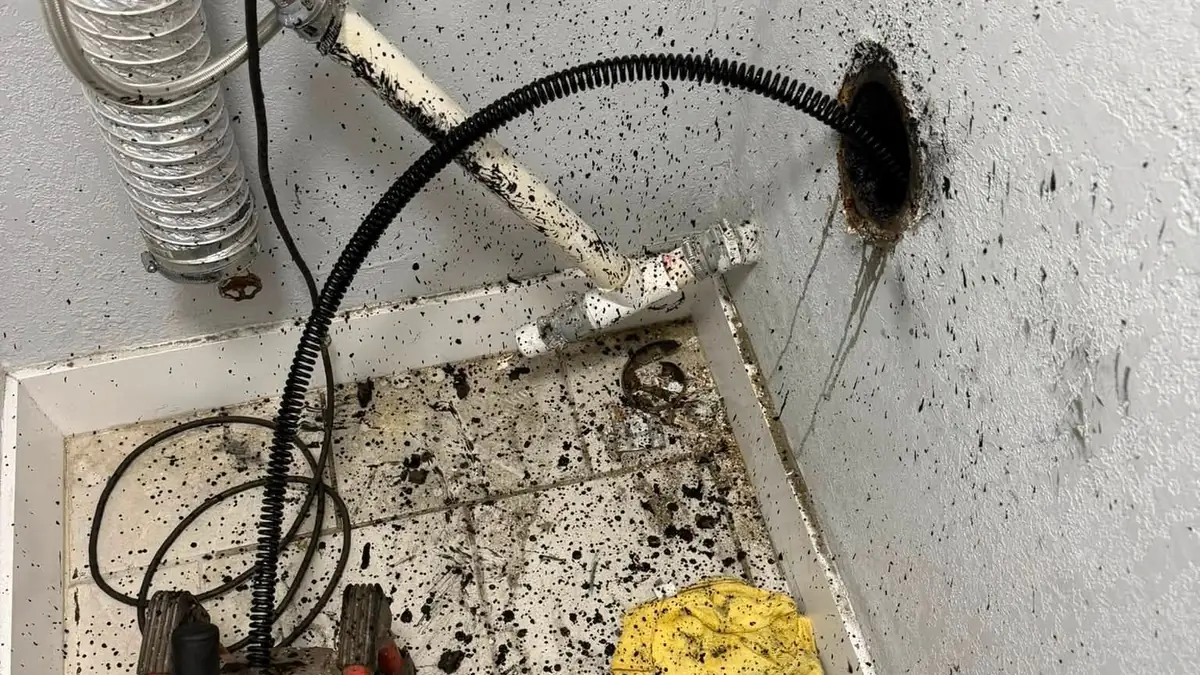
- Many Apache Junction properties use septic systems instead of the public sewer.
- The line from the house to the tank is where most septic plumbing problems start.
- Grease, wipes and too much water at once are the top causes of backups.
- Arizona requires a septic inspection before a home with a septic system is sold.
Septic plumbing in Apache Junction is a fact of life for many homeowners. Parts of the city are served by the Apache Junction Sewer District, but plenty of properties, especially on larger lots and on the edges of town, rely on a septic tank instead. Septic systems work well for decades when they are cared for. Most problems start in the plumbing line between your house and the tank.
This guide explains how septic plumbing works, the early signs of trouble and the simple habits that keep wastewater flowing the right way.
How a Septic System Works
Every drain in your home flows into one main line. On a septic property, that line carries wastewater to an underground tank. Solids settle to the bottom, grease floats to the top and liquid flows out to a drain field where the soil treats it.
The system has three parts that need different kinds of care.
- The house to tank line is plumbing. A plumber clears, inspects and repairs it.
- The septic tank needs regular pumping by a septic service company.
- The drain field treats liquid in the soil and should be protected from traffic and roots.
Warning Signs of a Septic Line Problem
- Several drains slow down at the same time
- Toilets gurgle when the washer drains
- Water backs up into a tub or shower
- Sewage odors inside the home or near the tank
- Soggy ground or bright green grass over the line or field
If wastewater is coming up into your home, stop using water right away. That is a plumbing emergency.
Common Causes of Septic Backups in Apache Junction
| Cause | What happens | Who fixes it |
|---|---|---|
| Grease and food waste | Coats the line and narrows the pipe | Plumber |
| Wipes and paper products | Snag at joints and the tank inlet | Plumber |
| Sagging line | Waste collects in the low spot | Plumber |
| Full tank | Solids reach the outlet and block flow | Septic pumping company |
| Roots | Enter joints in the line or field | Plumber or septic company |
Septic Plumbing Tips to Prevent Backups
- Keep grease out of drains. Wipe pans with a paper towel and throw it away.
- Flush only toilet paper. Wipes labeled flushable still cause clogs.
- Spread out laundry. Several loads in a row can flood the tank.
- Fix running toilets. A constant trickle overloads the system.
- Pump on schedule. Many households pump every three to five years, depending on tank size and use.
- Know where your cleanout is. It lets a plumber clear the line fast without pulling a toilet.
Septic vs Sewer in Apache Junction
Knowing which system you have changes who you call and what you maintain.
| Question | Septic system | Public sewer |
|---|---|---|
| Where does wastewater go? | A tank and drain field on your lot | The Apache Junction Sewer District system |
| Who maintains the main line? | You, up to the tank | You, up to the public connection |
| Ongoing upkeep | Tank pumping and field care | Monthly sewer charge |
| Sale requirement | Transfer of ownership inspection | None for the sewer itself |
How Monsoon Season Affects Septic Systems
Heavy monsoon storms can soak the ground around your drain field. When the soil is saturated, liquid from the tank drains more slowly, and household drains may run sluggish for a few days. Spread out laundry and showers after a big storm, and keep roof runoff and yard drainage pointed away from the field.
What Not to Put Down Drains on a Septic System
A septic system relies on natural bacteria to break down waste. Some products harm those bacteria or clog the line before they ever reach the tank.
- Cooking oil, grease and fat
- Wipes, paper towels and feminine products
- Coffee grounds and large food scraps
- Harsh chemical drain cleaners
- Paint, solvents and medicines
If a drain slows down, call a plumber instead of pouring in chemicals. A cable machine clears the line without harming the tank.
What a Plumber Does During a Septic Backup
When you call about a backup, the plumber starts at the cleanout and clears the main line with a cable machine or hydro jetting. Next, a sewer camera checks the line for sags, cracks, roots or buildup. If the line is clear but water still backs up, the tank may be full, and the plumber will recommend a pumping service.
For repeat clogs or damaged pipe, our sewer and septic line repair service can repair the section or replace the line to the tank.
Selling a Home With a Septic System in Arizona
Arizona requires a transfer of ownership inspection when a property with a septic system is sold. According to ADEQ, the seller hires a qualified inspector to complete it within six months before the transfer. Clearing up known line problems before the inspection can make the sale go more smoothly.
Get Help With Septic Plumbing
A well kept septic line rarely causes trouble. When it does, quick action prevents a messy cleanup. For fast line clearing and camera inspections, call an Apache Junction plumber who works on septic properties every week.
Frequently Asked Questions
Is my Apache Junction home on septic or sewer?
Check your utility bills for a sewer charge, or look for a septic tank lid in the yard. Your property records can also confirm it.
Do plumbers pump septic tanks?
Usually not. Plumbers clear and repair the line from the house to the tank, while septic companies pump the tank and service the drain field.
How often should a septic tank be pumped?
Many households pump every three to five years. The right schedule depends on tank size and how many people live in the home.
Why do my drains gurgle on a septic system?
Gurgling usually means air is being pushed past a partial blockage in the main line or a full tank. Have the line checked before it backs up.